Dog UTI: Signs, Causes & Home Care (Vet Verified)

Frequent trips outside, accidents from a previously house-trained dog, or straining to urinate are signs no owner wants to see, and they’re also some of the clearest indicators of a dog UTI.
Dog UTI – The Short Answer
A dog UTI occurs when bacteria, most commonly E. coli, travel up the urethra and infect the bladder. Signs include frequent urination, straining, accidents, blood in the urine and strong-smelling urine. A UTI in dogs requires veterinary diagnosis through urinalysis and, ideally, a urine culture, followed by appropriate antibiotic treatment; it cannot be reliably resolved at home.
Key Takeaways
- Dog UTIs are relatively common, especially in females, due to their shorter, wider urethras
- Common signs include frequent urination, straining, accidents and strong-smelling or bloody urine
- E. coli is the most frequently identified bacteria, typically reaching the bladder via the urethra
- Diagnosis requires a urinalysis, ideally with a bacterial culture, not symptoms alone
- Antibiotics are the standard treatment and home remedies aren’t a proven substitute
- Supportive measures like hydration can help alongside treatment, but never replace a vet visit
- Recurrent UTIs often point to an underlying cause that needs to be identified and managed
What Is a Dog UTI?

A UTI occurs when bacteria travel up the urethra and into the bladder. Urine in the bladder is normally sterile; once bacteria establish themselves there, they multiply and trigger the familiar symptoms of a UTI.
UTIs are relatively common in dogs, especially in females, and can occur as isolated infections or recur in dogs with underlying health conditions. Bacterial UTIs are estimated to affect about 14% to 15% of dogs over their lifetime.
How Do Dogs Get UTIs?
Most UTIs are “ascending” infections, meaning that bacteria from the skin, genital area or gastrointestinal tract travel up the urethra into the bladder. E. coli is the most commonly identified bacteria, representing roughly a third to half of isolated pathogens.
Several factors increase the likelihood of infection:
- Female anatomy: female dogs are more prone to UTIs due to their smaller, wider urethras
- Age: older female dogs and young puppies are more commonly affected
- Bladder stones: can both result from and contribute to recurrent infections
- Underlying conditions: diabetes mellitus, Cushing’s disease, kidney disease or immunosuppression
- Anatomic abnormalities: a recessed vulva or ectopic ureters can predispose to infection
- Incomplete bladder emptying: from spinal disease or incontinence, giving bacteria more time to multiply
“I got the Maven sensor for my 14-year-old Chihuahua mix with heart and trachea issues. It gave me back peace of mind – I can track her RRR, BPM, drinking, and activity anytime and know instantly if something’s wrong. Highly recommend!”

★★★★★
Chiara De Luca
Titti
How to Tell if Your Dog Has a UTI
The most recognisable dog UTI symptoms include straining to urinate, frequent attempts to urinate with only small amounts produced, accidents in the house, blood visible in the urine, strong or foul-smelling urine and excessive licking of the genital area.
A break in house training is a red flag that something is wrong.If this happens suddenly to a previously reliable dog, a UTI is one of the first things worth ruling out.
“Urinary tract infections often begin with subtle changes in behavior and urination patterns before more obvious symptoms develop. Monitoring these trends over time can help owners recognize when something isn’t quite right and seek veterinary care.” – Joana Babo, DVM, Veterinarian at Maven Pet
How Is a UTI Diagnosed?
UTIs cannot be reliably diagnosed from symptoms alone, since other urinary tract disorders can look similar. A urinalysis is the first step, looking at specific gravity, pH, glucose, blood and protein, followed by microscopic examination of the sediment for white blood cells, red blood cells, bacteria and crystals.
Urine for culture is ideally collected via cystocentesis to avoid contamination from the urethra or skin. A culture and sensitivity test are very important as they identify the bacteria involved and the most effective antibiotic.
How Is a UTI Treated?
UTIs are treated with antibiotics. For straightforward, first-time infections, amoxicillin is generally a reasonable first-choice antibiotic, with a typical duration of 3 to 5 days. Pain relief is often prescribed alongside it, and a recheck urinalysis may be recommended after treatment to confirm the infection has resolved.
If a dog has three or more UTIs within a year, this is recurrent cystitis, and identifying and managing the underlying cause becomes critical for long-term success, since repeated antibiotic courses alone are unlikely to provide a lasting cure.
Can You Treat UTIs at Home?
It’s understandable to look for a UTI home remedy, but current guidance does not support treating an active UTI without antibiotics. Veterinary guidelines note there is insufficient evidence to recommend cranberry extract or other alternative therapies for treating bacterial UTIs in dogs.
A small pilot study reported that a concentrated cranberry supplement, given daily for 60 days, was associated with resolution of bacterial cystitis in 10 dogs not treated with antibiotics. However, the study’s authors caution that the trial had no control group, and that evidence is not yet strong enough to support replacing standard antimicrobial therapy with herbal or probiotic treatments. Supplements like cranberry shouldn’t be relied upon as a stand-alone treatment.
A few supportive steps can help your dog feel more comfortable alongside prescribed treatment: encourage water intake, allow more frequent bathroom breaks, keep the genital area clean and avoid giving human medications or supplements without veterinary guidance. None of these replace a proper diagnosis and antibiotic treatment.
How Can You Help Prevent Future UTIs?
Your veterinarian can advise on prevention strategies tailored to your dog, which may include dietary changes or supplements that make infection harder to take hold. The most effective long-term strategy is addressing predisposing factors directly, including managing conditions like diabetes, addressing anatomical issues where possible, and ensuring dogs with mobility or incontinence issues can fully empty their bladder regularly.
How Maven Helps
Many early signs of a UTI, like subtle increases in water intake, slightly more frequent urination, a touch less energy, are easy to miss day to day. The Maven pet health tracker is designed to catch some of these gradual changes before they become obvious problems.
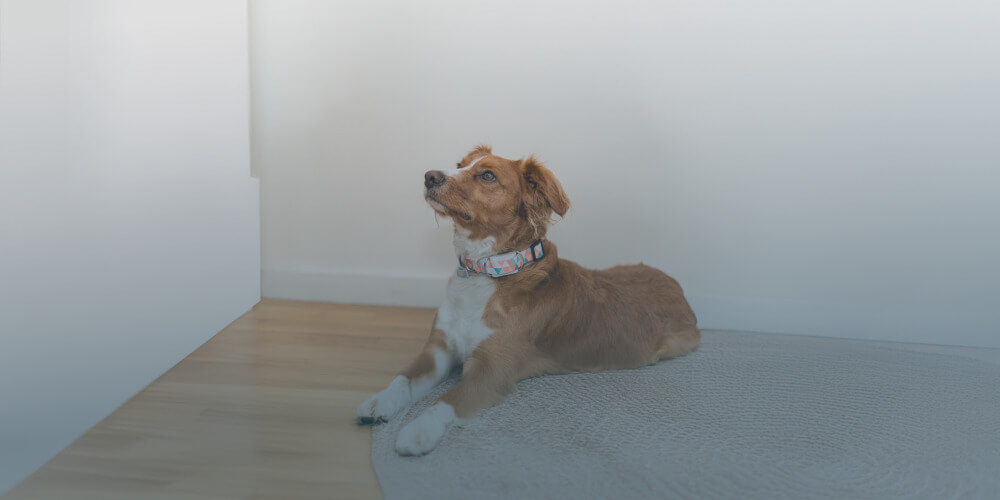
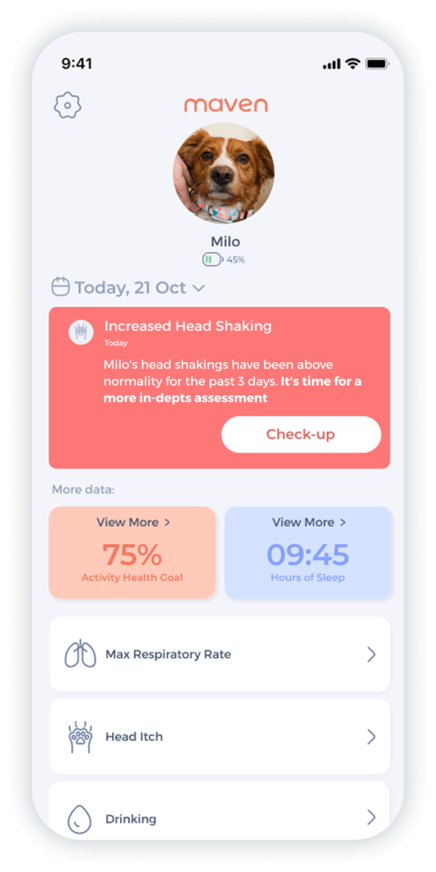
Monitor heart rate, respiratory rate, activity & rest, drinking, itch behavior.
The Maven pet health app, paired with a dog drinking tracker, monitors water intake continuously, flagging changes that may accompany a UTI or other urinary concerns such as dog kidney disease. It also tracks activity and rest patterns, and monitors heart rate and resting respiratory rate for broader context. A personalized baseline allows Maven to alert you to changes early and provide useful trend data for your vet.
FAQ (Vet-Reviewed)
Most UTIs occur when bacteria, often E. coli from the skin or gastrointestinal tract, travel up the urethra into the bladder. Female dogs are more prone to this due to their shorter, wider urethras. Underlying conditions like diabetes, bladder stones or anatomical abnormalities also increase risk.
Common signs include straining to urinate, frequent urination in small amounts, accidents in the house, blood in the urine, strong-smelling urine and excessive genital licking. A sudden break in house training is a particularly notable warning sign.
No. UTIs require veterinary diagnosis and antibiotic treatment. Supportive measures like encouraging water intake can help your dog feel more comfortable, but they do not resolve a bacterial infection and should not replace a vet visit.
There isn’t strong evidence supporting cranberry extract or other supplements as a stand-alone treatment for an active UTI. Supportive care can complement veterinary treatment, but cannot substitute for a vet visit and antibiotics.
Any time you notice straining, frequent urination, frequent accidents in the house, blood in the urine or unusual persistent odour. Untreated UTIs can lead to complications including bladder stones or kidney infection.
Conclusion
UTIs are uncomfortable but very treatable once properly diagnosed. Recognising early signs, like frequent urination, straining or accidents at home, gives you the best chance of getting effective treatment quickly. Supportive care can help your dog feel better, but it’s not a substitute for veterinary diagnosis and antibiotics. If you notice any signs of a UTI, a trip to the vet is always the right call.
Maven Pet focuses on improving the quality of life of our pets with technology, using artificial intelligence (AI) to enable proactive pet care. By accurately collecting and monitoring pet data 24/7 and flagging any irregularities, Maven Pet empowers pet parents and veterinarians to stay ahead of potential health issues, ensuring the well-being and longevity of our beloved companions.